Cavoodles and Allergy Sufferers: What You Need to Know Before Buying
If allergies run in your household, choosing the right dog breed can feel like a bit of a gamble. Cavoodles are one of the most popular breeds for allergy-conscious families in Australia, and for good reason. They are not "allergy-proof", but definitely "allergy-friendly". Here's what actually matters before you bring one home.
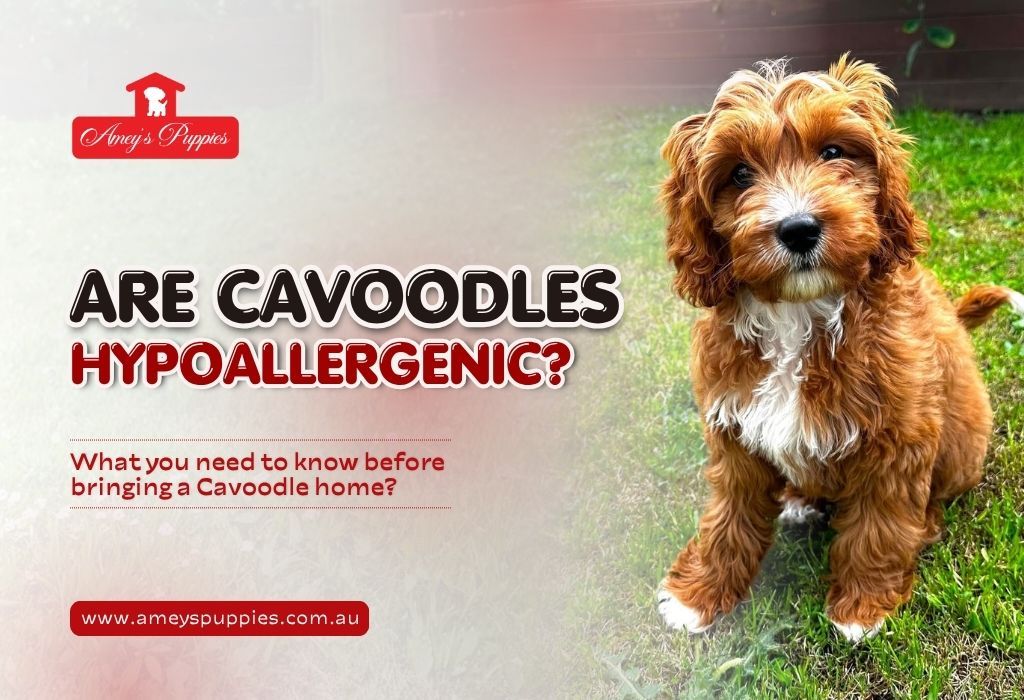
Quick Answer
No dog is truly hypoallergenic, and Cavoodles are no exception. Their Poodle coat sheds less and spreads less dander than many breeds, which can mean fewer flare-ups for some allergy sufferers. But reactions vary from person to person, so it's worth spending time around a Cavoodle before you commit, rather than relying on the breed's reputation alone.
What "Hypoallergenic" Actually Means for Dogs
The word "hypoallergenic" gets thrown around a lot in dog breeding circles, but it's more marketing shorthand than medical fact. It doesn't mean allergy-free: it means a breed is less likely to trigger a reaction than average, usually because of how it sheds. Understanding this distinction upfront can save allergy-prone families a lot of disappointment further down the track.
Why no dog breed is 100% allergen-free
Every dog produces the proteins that cause allergic reactions, regardless of coat type. According to the Australasian Society of Clinical Immunology and Allergy (ASCIA), the amount of allergen released does vary between breeds, but there is no dog breed that is completely allergen-free.
So while some breeds, Cavoodles included, are commonly described as more suitable for allergy sufferers, that's a matter of degree, not an absolute guarantee. It's a useful reminder that any claim of a fully allergy-free breed should be treated with some scepticism, no matter how it's marketed.
Dander, saliva, and urine as the real allergy triggers
It's a common misconception that people are allergic to dog hair itself. In reality, the allergens come from proteins in a dog's dander (skin flakes), saliva, and urine. ASCIA notes that the main source of dog allergen is saliva, which then gets spread around the home via dander and loose hair.
This is why grooming, shedding, and coat type all end up playing a role in how much allergen ends up in your living space, even though the hair itself isn't the culprit. Once you understand where the allergen actually comes from, it becomes much easier to see
why coat type and grooming habits matter so much more than hair length or colour.
Why Cavoodles Are Often Recommended for Allergy Sufferers
Cavoodles are a cross between the Cavalier King Charles Spaniel and the Poodle, and it's the Poodle side of that mix that gives them their allergy-friendly reputation. The exact balance of traits inherited from each parent breed can vary from litter to litter, which is part of why not every Cavoodle behaves the same way for allergy sufferers.
The Poodle coat and lower shedding
Poodles are well known for their low-shedding, curly coats, and Cavoodles often inherit some version of this coat type. Less shedding generally means less loose hair carrying dander around your home, which can translate into fewer airborne allergens circulating
through the air you breathe.
If you're browsing our Cavoodle litters, you'll notice coat type is one of the details we're always happy to talk through with prospective owners, since it has such a direct bearing on day-to-day allergy management.
Reduced dander spread compared to heavy-shedding breeds
Because a low-shedding coat holds onto loose hair and skin cells for longer (until it's brushed or clipped out, rather than shedding freely around the house), less dander typically ends up on furniture, carpets, and clothing. That's a meaningful difference for allergy sufferers compared to heavy-shedding breeds, where hair and dander are constantly being released into the home environment.
Over time, this can add up to a noticeably cleaner home environment for allergy-prone families, particularly in rooms where the dog spends most of its time. It's also worth factoring in seasonal changes, since some dogs shed slightly more during coat
transitions even within a generally low-shedding breed.
What Still Affects Your Reaction
A lower-shedding coat helps, but it isn't the whole story. Several other factors influence whether a Cavoodle will suit an allergy-prone household, and it's worth weighing all of them together rather than focusing on coat type alone.
Coat type varies by litter (curly vs wavy)
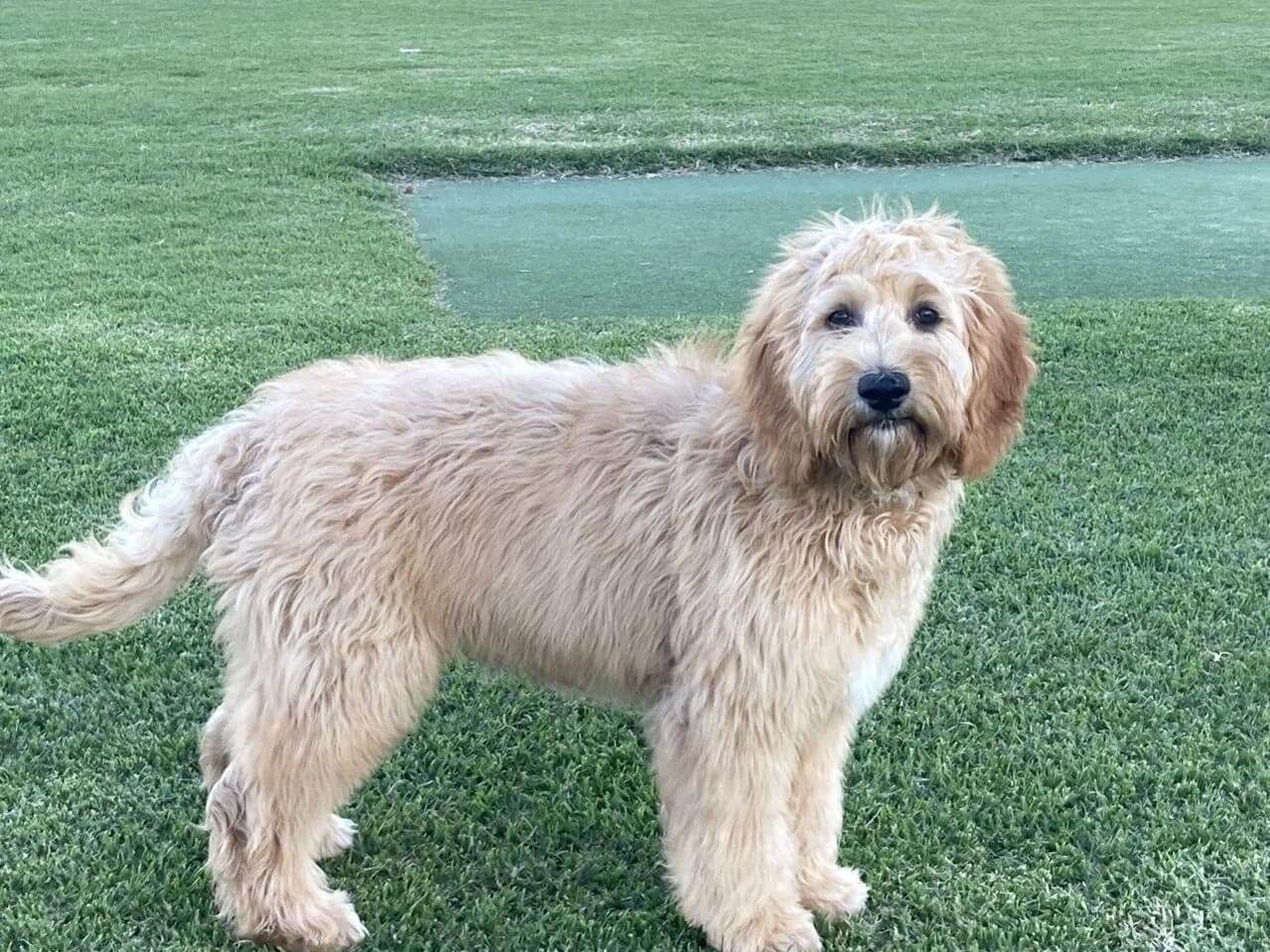
Not every Cavoodle has the same coat. Depending on the genetics of the parents, puppies in the same litter can end up with tighter, curlier Poodle-like coats or looser, wavier coats closer to the Cavalier side. Tighter, curlier coats generally shed less and are usually considered more suitable for allergy sufferers, so it's worth asking your breeder about the coat type of both parents. This can vary noticeably even between siblings, so it
Grooming routine and home cleanliness
Regular brushing, bathing, and professional grooming all help manage the dander and loose hair that does get produced. On top of that, general home habits, such as vacuuming often, washing bedding, and keeping dogs out of bedrooms, can meaningfully cut down on allergen build-up.
ASCIA's guidance on allergen minimisation points to steps like keeping pets out of sleeping areas and reducing soft furnishings as ways to lower exposure for people with mild reactions. Consistency matters here too: an occasional grooming session won't have the same effect as a regular, ongoing routine.
Individual allergy sensitivity
Allergies are highly individual. Some people react strongly to even trace amounts of dog allergen, while others tolerate low-shedding breeds like Cavoodles with barely any symptoms. Because sensitivity varies so much from person to person, there's no substitute for real-world exposure before making a decision.
What works well for a friend or family member's household won't necessarily translate directly to your own experience, which is why a cautious, gradual approach tends to serve allergy-prone families better than a quick decision.
Tips Before You Bring a Cavoodle Home
Spend time with the breed first
Before committing, spend extended time around adult Cavoodles, ideally more than a quick pat. Visit a breeder, spend an afternoon with a friend's dog, or arrange a longer visit if you can. Reactions can take hours to appear, so a five-minute meet-and-greet won't always tell you the full story.
If possible, try to spend time in an enclosed indoor space with the dog, since this more closely mirrors everyday life at home. Bringing a family member along who also has allergies can help build a clearer picture before you commit to a puppy.
Ask your breeder about the parents' coat type
A reputable breeder should be able to tell you about the coat type of both parents and what that typically means for shedding in the litter. At Amey's Puppies, we're always happy to talk through coat genetics, temperament, and what to expect as your puppy grows, so you can make an informed decision rather than guessing based on breed name alone.
Talk to your GP or allergist if reactions are severe
If you or a family member has a history of significant allergic reactions or asthma, it's worth having a conversation with your GP or an allergist before bringing any dog home. They can help you understand your specific sensitivity and whether extra precautions, testing, or treatment options are worth considering. You can find further information through ASCIA's patient resources, particularly if reactions have previously required medical treatment.
Cavoodles won't guarantee an allergy-free household, but their low-shedding coat makes them one of the more allergy-friendly breeds many families consider. The best way to know how you'll react is to spend time with one before deciding, rather than relying on general breed reputation to make the call for you.
Get in touch with Amey's Puppies to learn more about our Cavoodle litters, or join our waiting list to be notified when new puppies are ready for their forever homes.