
Why Is My Aussiedoodle Shedding So Much? Complete Guide to Coat Care

Aussiedoodles are known as a low to non-shedding breed, so it can be alarming to suddenly notice clumps of fur on the couch or caught in the brush. The good news is that some shedding is completely normal, and most coat issues, from shedding to itching to dry skin, come down to a handful of common causes you can manage at home. This guide covers what to expect from an Aussiedoodle's coat, why shedding and itching happen, how coat type affects the amount of hair you will see day to day, and when it is time to call the vet instead of relying on home care alone.
What Are Aussiedoodle Puppies?
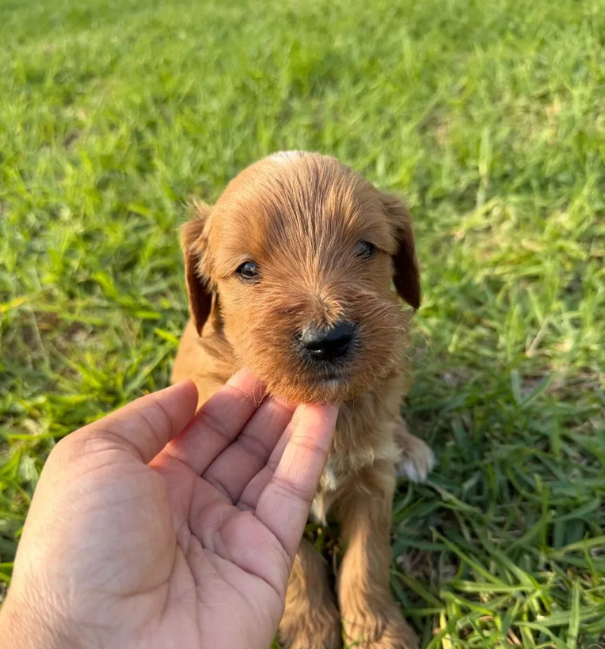
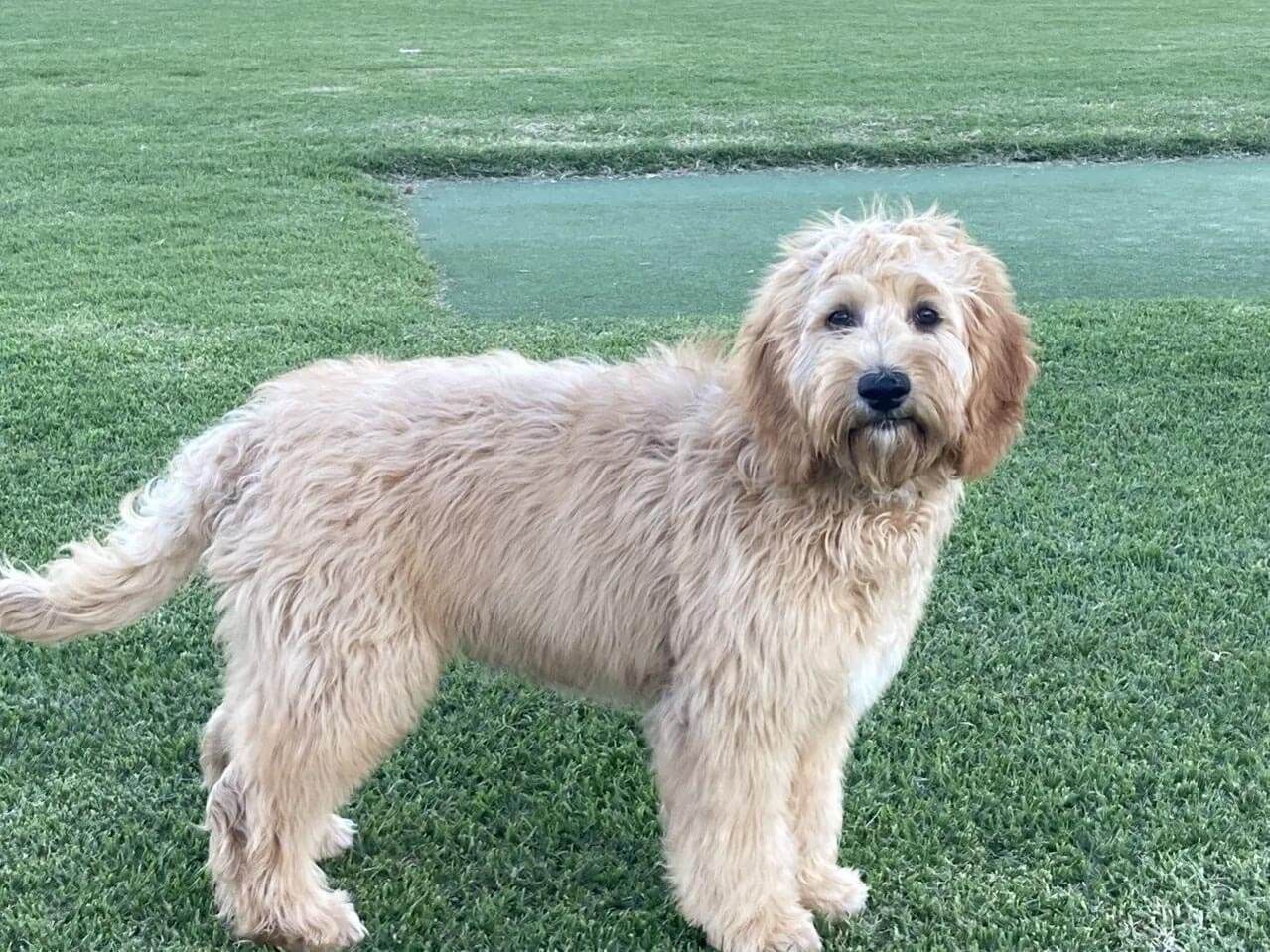
Aussiedoodle puppies are a cross between an Australian Shepherd and a Poodle, usually a Toy, Miniature, or Standard Poodle depending on the size you want. This mix combines the Australian Shepherd's intelligence and striking coat colours, including Merle patterns, with the Poodle's low-shedding coat. Coat texture is genetic, so even puppies from the same litter can grow up looking quite different, some with soft waves, others with tight curls.
Do Aussiedoodles Shed? Understanding Their Coat Type
Yes, Aussiedoodles do shed, just much less than a purebred Australian Shepherd. How much depends heavily on which parent's coat type they take after.
| Coat Type | Shedding Level | Grooming Needs |
|---|---|---|
| Wavy (most common) | Low to moderate | Brush 2 to 3 times a week |
| Curly | Minimal, but high matting risk | Brush daily |
| Straight or flat | Higher shedding | Brush 2 to 3 times a week, use an undercoat rake seasonally |
Coat colour, including Merle, tricolour, or solid, has no effect on shedding. It is coat texture, not colour, that determines how much hair ends up on your floor.
Why Is My Aussiedoodle Shedding So Much?
Even low-shedding coats lose some hair, and a little tumbleweed on the floor now and then is completely normal. The real question is where the line sits between what's expected and what's a sign something needs attention, whether that's diet, health, or just the coat transitioning as your dog grows.
Normal Shedding vs Excessive Shedding
A small amount of daily hair loss is normal for every dog, including Aussiedoodles. Excessive shedding looks different: visible bald patches, noticeably thinning fur, or handfuls of hair coming out during a single brushing session, rather than a light dusting on the brush. If your Aussiedoodle has always shed lightly and the amount suddenly increases, it is worth looking at what has changed in their routine, diet, or environment before assuming it is simply a phase.
Common Causes of Excess Shedding
- Seasonal coat blow, especially in dogs with more Australian Shepherd influence, usually in spring and autumn.
- Poor diet or a lack of omega fatty acids
- Stress, anxiety, or a recent change in routine
- Parasites such as fleas or mites
- Underlying skin infections
- Hormonal conditions, including thyroid disease
- Over bathing or harsh shampoos that strip natural oils
Why Is My Aussiedoodle So Itchy?
A bit of scratching after a walk or a roll in the grass is nothing to worry about, but frequent or intense itching usually points to something underneath it, not just a dry coat. Before reaching for a diet change or a new shampoo, it helps to understand what's actually driving it.
Skin Allergies and Environmental Irritants
Itching in Aussiedoodles is most often linked to allergies rather than shedding itself. According to Vet Voice, an Australian veterinary resource, environmental allergens like pollen, grass, and dust mites, along with flea allergy dermatitis, are the two most common causes of itchy skin in dogs, while true food allergies are far less common than most owners expect.
When Itching Signals a Bigger Problem
Persistent itching that does not improve with regular grooming and flea control can point to a skin infection or a chronic allergy that needs veterinary management, rather than something that resolves fully at home.
Aussiedoodle Dry Skin: Causes and Fixes
Dry, flaky skin in Aussiedoodles usually comes down to one of a few things: over bathing, low humidity, an underlying allergy, or a diet lacking essential fatty acids. Fixes include spacing baths out to every four to six weeks, using a moisturising dog specific shampoo, and adding an omega 3 supplement or fish based topper to meals. If dry skin comes with redness, scabbing, or a strong odour, treat it as a sign to see a vet rather than something to manage with home remedies alone.
How Long Will Aussiedoodle Hair Grow?
Poodle influenced coats, unlike an Australian Shepherd's double coat, grow continuously instead of reaching a fixed length and stopping. Left untrimmed, an Aussiedoodle's coat can grow long enough to matt and drag on the ground within
several months. Most owners maintain a shorter, low maintenance length through regular trims every six to eight weeks, while others let the coat grow longer for a fuller, shaggier look, which needs more frequent brushing to stay tangle free. Puppy coats also tend to change around six to twelve months of age, when the soft puppy fluff is replaced by the adult coat, so grooming needs can shift noticeably around this stage even without any change in routine.
How to Manage Shedding and Keep the Coat Healthy
Brushing Routine
Brush at least twice a week as a minimum, and daily if your Aussiedoodle has a curlier, Poodle dominant coat. Regular brushing removes loose hair before it ends up on your furniture and also lets you spot mats, dry patches, or irritated skin early.
Diet and Nutrition
A balanced diet with high quality protein and added omega 3 fatty acids supports both coat and skin health. Dogs prone to sensitive skin or joint issues benefit from food formulated with these ingredients in mind, since diet plays a bigger role in coat condition than most owners realise.
Bathing Frequency
Bathe every four to six weeks using a gentle, dog specific shampoo. Bathing too often strips natural oils from the skin, which can actually make shedding and dryness worse rather than better.
Quick Tips to Reduce Shedding at Home
Alongside a good brushing and bathing routine, a few extra habits can make a noticeable difference to how much hair your Aussiedoodle leaves around the house.
| Habit | Why It Helps |
|---|---|
| Keep them cool in warm weather | Dogs naturally shed more when overheated, since losing coat is one way they regulate temperature. |
| Groom on a set schedule | Regular brushing and bathing loosens hair before it falls out on its own, rather than letting it build up |
| Feed a high quality diet | A poor quality or unsuitable protein source is a common trigger for excess shedding and coat problems. |
| Keep up with vet checkups | Routine visits help catch skin conditions or underlying health issues before shedding becomes severe. |
| Watch for shedding season | Coat changes are more noticeable in spring and autumn, even in low shedding breeds, and usually settle after a couple of weeks. |
| Maintain a healthy weight | Excess weight and conditions like diabetes are linked to heavier shedding, so regular exercise supports coat health too. |
Aussiedoodles do not have the same dense double coat as a purebred Australian Shepherd, so a full shave down is rarely necessary and can affect how their curl grows back. If you are ever unsure whether shaving suits your dog's coat type, check with a groomer or your vet first rather than doing it at home.
When to See a Vet
Most shedding, itching, and dryness can be managed at home, but occasionally these symptoms point to an underlying condition rather than a coat care issue. Poodles, and therefore Aussiedoodles, can be prone to sebaceous adenitis, an inflammatory skin condition that causes hair loss, scaling, dandruff, and sometimes secondary infections. It is uncommon, but worth ruling out if home care is not making a difference.
Book an appointment if you notice any of the following:
- Bald patches or thinning fur that appears suddenly
- Constant scratching that does not ease with grooming or flea control
- Red, inflamed, or scabbed skin
- A strong or unusual odour coming from the coat
- Changes in appetite, energy, or behaviour alongside skin symptoms
Conclusion and Next Steps
Some shedding, occasional itching, and seasonal coat changes are a normal part of owning an Aussiedoodle. The key is knowing the difference between ordinary coat maintenance and signs that need a vet's attention. With regular brushing, the right diet,
and a sensible bathing routine, most Aussiedoodles keep a healthy, low shedding coat for life. If you're looking for a new puppy, have a look at our online store to see aussiedoodle puppies for sale.