
How to Groom a Cavoodle: Complete At-Home Grooming Guide

Grooming a Cavoodle at home involves regular brushing, a full bath and blow-dry, trimming around the eyes, ears, and paws, and a full coat trim every 6 to 8 weeks to prevent matting. Taking your Cavoodle to a professional grooming centre occasionally is also recommended.
A Cavoodle's soft, curly coat is one of its most loved features, but that same texture traps loose hair instead of shedding it, which means grooming isn't optional. Skip a few sessions and mats can form close to the skin before you even notice. This guide covers the full routine, a puppy-to-adult grooming timeline, coat styles, and when to call in a professional.
Quick Review: Cavoodle Grooming at a Glance
Short on time? Here's the whole routine in one table.
| Task | Frequency | Why It Matters |
|---|---|---|
| Daily brushing | 5–10 min, every day | Prevents mats forming at friction points |
| Bathing | Every 3–4 weeks | Over-washing strips natural oils |
| Professional groom | Every 4–6 weeks | Catches hidden matting early |
| Nail trim | Every 3–4 weeks | Clicking on hard floors = overdue |
| First puppy groom | 8–12 weeks old | Builds a calm, positive habit for life |
What Is a Cavoodle?
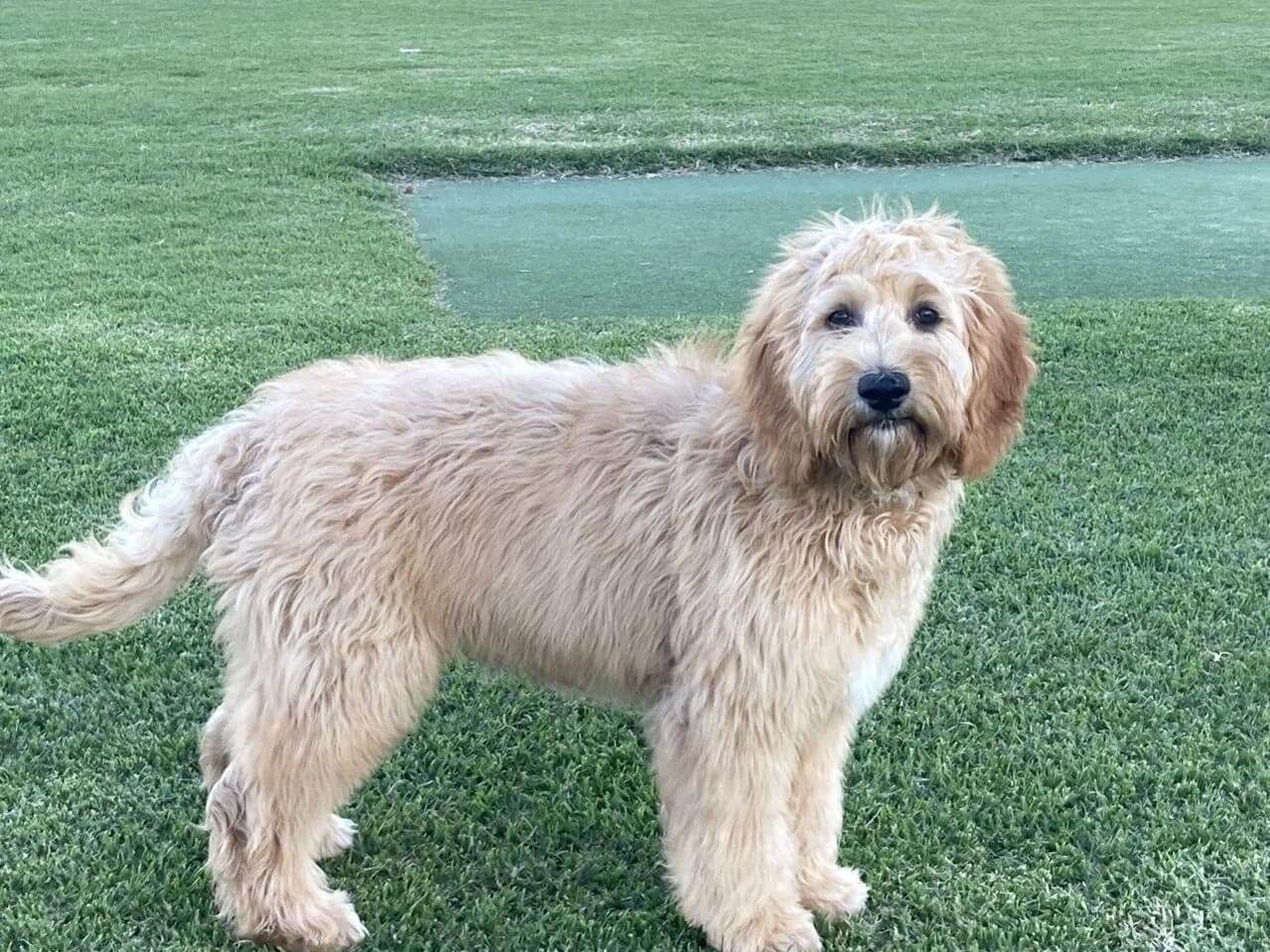
A Cavoodle is a cross breed between a Cavalier King Charles Spaniel and a Poodle, prized for their affectionate nature and soft, low-shedding coat. It's the Poodle side that drives the grooming workload: the same curl that makes them so cuddly tangles quickly if left unchecked.and temperament.
Cavoodle Generations: F1, F1B, F2 and Beyond
Not all Cavoodles are bred the same way, and the generation affects coat type and shedding as much as grooming does.
- F1 Cavoodle - 50% Cavalier King Charles Spaniel + 50% Poodle. Friendly and affectionate, with a low-shedding wavy or curly coat.
- F1B Cavoodle - F1 Cavoodle x purebred Poodle (75% Poodle, 25% Cavalier). Curlier and more hypoallergenic, with very low shedding.
- F2 Cavoodle - F1 Cavoodle x F1 Cavoodle (roughly 50% Cavalier, 50% Poodle). Coat can range from straight to curly, with balanced traits from both breeds.
- F2B Cavoodle - F2 Cavoodle x purebred Poodle or Cavalier. Often bred for more predictable coat traits.
- Multi-generational (F3+) Cavoodle - bred from Cavoodles
- over several generations for consistent temperament, coat and appearance.
When Does Grooming Start? A Puppy Timeline
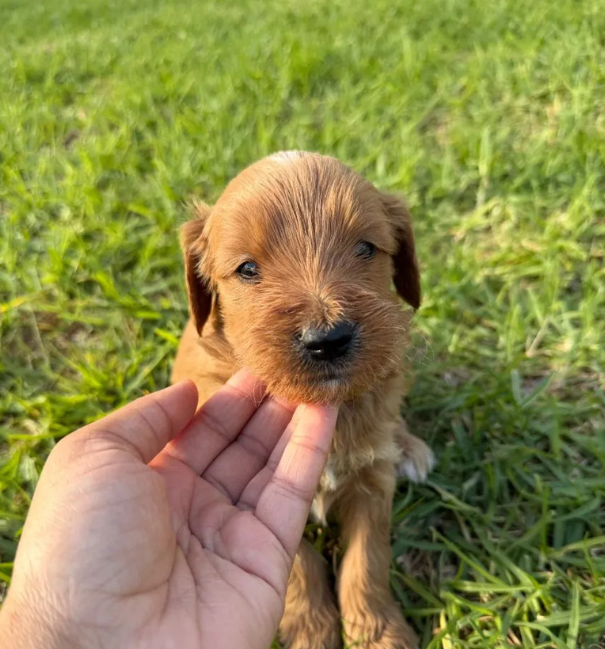
Grooming habits should start long before a full haircut. Dogs Australia's breeding standards require puppies to stay with their litter until at least 8 weeks old, and reputable breeders often wait until 9–10 weeks, since pups can pass through a short "fear period" around 8 weeks where a change of environment is unusually stressful. If a breeder offers a puppy earlier than 8 weeks, treat it as a red flag.
- 4 weeks: gentle hygiene tidies begin.
- 6 weeks: first bath.
- 8-10 weeks: home with new owner (post fear-period is ideal).
- 8-12 weeks: critical socialisation window and the best time for a first professional groom.
Daily brushing, a weekly wash with a puppy-safe conditioning shampoo, and gentle handling of paws, ears and face during this window all pay off later, puppies desensitised early are far calmer at the groomer as adults.
Why Regular Grooming Matters
Cavoodle coats don't shed the way a Labrador does. Loose hair stays trapped in the coat instead, which is exactly why brushing can't be skipped. Left too long, that trapped hair knots into mats close to the skin, restricting movement and trapping moisture that can lead to hot spots or infection. RSPCA's grooming guidance also notes that regular grooming lets owners spot skin issues, parasites or grass seeds early; worth checking weekly, not just before a vet visit.
Mats also form in a way that's easy to miss: the coat can look fine on the surface while it's compacted and tight against the skin underneath. By the time you feel a mat with your fingers, it's often been building for weeks. That's one reason a professional check every 4–6 weeks matters even if home brushing is going well.
The Full At-Home Grooming Routine For Your Cavoodle
Grooming at home takes a bit of practice, but it's manageable once you know the order of operations. Work through these six steps in sequence, brush and detangle first, bathe and dry next, then move to trimming and the finishing touches. Each one sets up the next, so skipping ahead (like trimming a wet, matted coat) usually means redoing work later. Here's the full routine, along with a few pro tips that make each step easier.
| Step | What To Do | Pro Tip |
|---|---|---|
| Step 1: Brush & detangle | Slicker brush with the coat growth, then a wide-tooth comb. Focus on ears, armpits, collar and behind the legs. | Always brush dry, water tightens mats before you can work them out. |
| Step 2: Bathe | Wet fully with lukewarm water, work in a dog-specific shampoo gently, rinse until water runs clear. | Human shampoo disrupts a dog's skin pH; always use a dog-formula product. |
| Step 3: Dry | Towel-dry, then finish with a low, cool dryer setting while brushing through. | Air-drying alone leaves the coat flat and prone to matting within days. |
| Step 4: Trim the body | Clippers with a #4–#5 guard, or scissor by eye if you're not confident with clippers. | Go slowly around legs and belly where skin folds. |
| Step 5: Trim the face | Blunt-tipped scissors only, never clippers close to the eyes. | Keep the muzzle rounded, not square, for the classic teddy-bear look. |
| Stept 6: Ears, eyes, paws, nails | Wipe ears weekly with a vet-approved cleaner, wipe tear stains daily, trim paw-pad hair, trim nails every 3–4 weeks. | A rotary nail grinder is more forgiving for beginners than clippers. |
Choosing a Grooming Style
The right style depends on how much brushing you'll realistically do between grooms: a longer cut brushed once a fortnight will mat faster than a shorter cut brushed twice a week.
| Style | Look | Home Maintenance |
|---|---|---|
| Teddy bear cut | Body 2–3cm, rounded face, longer plush ears | Brush every 2–3 days |
| Puppy cut | Uniform 1–2cm all over | Brush 2–3x per week |
| Summer clip | Shorter than puppy cut, slight length on ears/tail | Lowest; best for hot, humid months |
| Lamb cut | Short body, fuller shaped legs | Regular brushing on legs to prevent tangles |
Grooming Tools You'll Need
The right tools make grooming faster and safer, both for you and your dog. Most of what's below covers the basics: something to detangle, something to trim, something to clean. Once you've got these on hand, the six-step routine above becomes a lot easier to follow through on actually.
| Tool | Used For |
|---|---|
| Slicker brush | Daily detangling, lifting loose hair |
| Metal / wide-tooth comb | Checking you've reached the skin, not just the top coat |
| Mat splitters | Working apart small mats without pulling on skin |
| Blunt-tipped scissors | Safe face, paw and sanitary trims |
| Clippers with guards | Body trims (#4–#5 for a low-maintenance length) |
| Rotary nail grinder | Beginner-friendly nail care |
| Dog-specific shampoo & conditioner | Bathing without disrupting skin pH |
This same kit works well for most poodle-cross breeds, including Spoodles, since their coat type is very similar to a Cavoodle's.
Common Mistakes to Avoid
Most matting and skin problems come from small habits that seem harmless in the moment. Skipping a brush-through, washing before detangling, or missing the coat transition around 6 to 12 months can quietly undo weeks of good grooming. Here are the five mistakes worth watching for.
- Brushing Only the Top Layer: Brushing only the top layer while mats form underneath, unnoticed until a groomer has to shave them out.
- Bathing Before Brushing: Bathing before brushing: this locks in tangles rather than removing them.
- Over-Washing or Using Human Shampoo: Over-washing or using human shampoo, which dries out the skin and coat.
- Skipping Ear and Paw Checks: Skipping ear and paw checks, especially after swimming.
- Underestimating Grooming Needs During Coat Transition: Underestimating grooming needs during the puppy-to-adult coat transition, usually 6–12 months.
When Matting Happens: Why a Professional Groom Still
Matters
If a Cavoodle arrives at a groom significantly matted, brushing it all out isn't always possible: mats tight against the skin can't be safely removed without pain or skin damage. In these cases a shorter "reset" clip is the kinder option: it removes the matted coat humanely and lets a healthy coat grow back within a few weeks. A consistent home routine plus a professional groom every 4–6 weeks is the best way to avoid ever needing one.
Final Thoughts
A simple routine of daily brushing, a bath every few weeks, and a professional trim every 4–6 weeks keeps a Cavoodle's coat healthy, tangle-free and looking its best. Start the habit early with your puppy and grooming becomes something they tolerate calmly, not dread.
Still looking for your own Cavoodle puppy? You can find puppies for sale in Melbourne on our website, or get in touch with the team at Amey's Puppies for guidance as your puppy grows into their adult coat.